
The MUN Playbook
What is MUN? (For beginners)
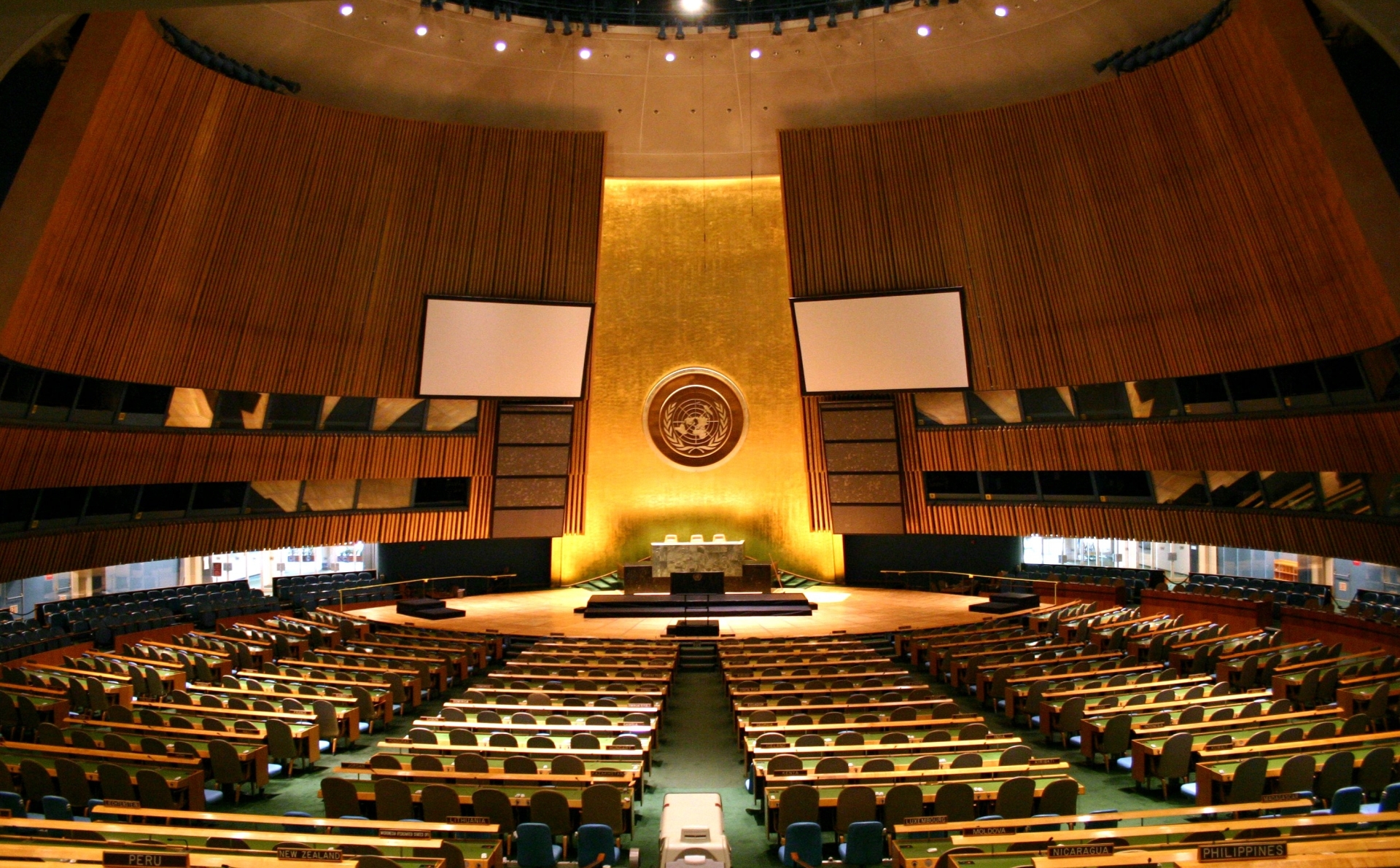
MUN is an academic simulation where participants (called delegates) represent countries in UN committees and debate global issues like climate change, armed conflicts, human rights, or cybersecurity.
What Do You Do in MUN?
- Choose a country (e.g. France, China, Brazil).
- Research your country's stance on a specific topic.
- Write position papers (a short summary of your country's opinion).
- Speak in front of others, make speeches, and propose solutions.
- Negotiate and debate with other countries.
- Draft resolutions (official documents that outline solutions).
- Vote on whether to pass the resolution or not.
What Are Committees?
Each committee focuses on a specific issue:
- UNICEF – children's rights
- WHO – global health
- UNSC – peace and security
- GA (General Assembly) – broad international matters
And much, much more.
Common MUN Terms:
- Delegate – a student representing a country
- Chair – the person running the debate
- Position Paper – a short paper summarizing your country's view
- Resolution – a document proposing solutions
- Point of Information – a question to a speaker
- Motion – a request to change the flow of debate
Why Join MUN?
- Improves public speaking, research, and negotiation skills
- Boosts confidence and critical thinking
- Helps with college applications
- Meet new people and learn about the world
Note: This guide is primarily for traditional MUN committees that follow the THAIMUN Rules of Procedure (RoP).
Understanding MUN
The most important thing about MUN is truly understanding your stance. You will often be put in situations where you must have knowledge beyond the surface, such as answering POIs. We've seen many delegates copy and paste information from a random website and not truly understand the content they are dealing with. That's why the director of THAIMUN, John Wood says that the best way to prepare for MUN is "research, research, and some more research." Having a pure understanding of the topic and being able to debate it from all angles is what makes a good delegate, and sets up whatever committee you are in for intricate and fruitful debates. The goal of Model United Nations is not to be to most dominant and imposing speaker that has the ability to "boss" everyone around, but rather it is to understand that diplomacy is holistic and requires an willingness to amend and negotiate, as often times, those are the delegates that are able to give the most convincing arguments, speeches, and have their resolutions passed.
Equally important is confidence. But not the kind that makes you the loudest person in the room. We're talking about the kind that comes from knowing your stuff, respecting others, and being adaptable. In fast-paced committee sessions, you'll quickly learn that success isn't about showing off how much you know, but about how well you listen and respond. A witty speech won't carry you far if it lacks substance, and a powerful resolution is nothing without support and diplomacy to back it up. General Assembly committees may be slower-paced and more focused on consensus-building, while crisis committees might throw curveballs at you mid-sentence (sometimes literally). Don't panic - lean into the unexpected. A great delegate is both a strategist and a storyteller, weaving facts with flair to shape the direction of the debate. Yes, MUN is serious business, but it's also a place to explore ideas, build friendships, and grow your voice in ways you might not expect.
And yes, rules matter. Knowing your procedure can actually make you more powerful - whether it's yielding time properly, raising a motion at the right moment, or using moderated caucuses to push your bloc's agenda forward. Think of procedure as the unspoken language of diplomacy: master it, and you'll be able to drive the room without having to raise your voice once.
To sum it up: MUN isn't just about speaking, it's about learning how to think. It's about developing curiosity, empathy, and the ability to hold your ground while respecting others. Take your role seriously, but don't forget to enjoy the process. And remember: every great delegate was once confused about how to submit a draft resolution or forgot what "yield to points of information" meant. You've got this.
Your Research Template
By filling out this table, you'll go beyond surface-level knowledge and truly understand how to argue your position and adapt in real-time. Strong research leads to strong diplomacy - use this guide, and you'll be prepared for anything the committee throws at you. Please note that when you are preparing this research, you should not try to paste whole paragraphs of evidence and terminology that is far too complex for your understanding. Instead, you should try to synthesize evidence you find on the internet in your own words. This will not only give you talking points to leverage within your speeches and POIs, but it will also ensure that you are aware and have curated everything you state, and are ready to defend your country's perspective from a multitude of angles.
About Us

Hey everyone!
We're Matt and Raheel - two MUN nerds who have spent way too many weekends in suits, debating world issues, and running on way too little sleep. Between the two of us, we've been through it all: the nerve-wracking first speeches, the last-minute resolution writing, and the thrill of negotiating deals in unmoderated caucuses. Along the way, we've delegated and chaired many large conferences, such as THAIMUN, IASAS MUN, BKKMUN, and more.
But more than the awards, what we really love about MUN is the energy - the intense debates, the friendships, and the adrenaline of writing your against-speech for the perfect argument. We know how overwhelming MUN can feel at first, but trust us, once you get the hang of it, it's one of the most exciting experiences out there.
To help you succeed in committee, we have compiled all of our knowledge into The Ultimate Model United Nations Playbook. No matter where you are in your journey, we are here to support you.
Selected Recognitions
2026
- ISB MSMUN - NATO Co-Head Chair
- ISB MSMUN - UNSC Co-Head Chair
- THAIMUN XIII - Secretary-General; Head of Sponsors & Finance
- THAIMUN XIII - UNSC Head Chair
- RISMUN XIX - DISEC Co-Head Chair
2025
- IASAS MUN - DISEC Delegate; Best Delegate
- TRIAMMUN - European Parliament Secretary-General
- ISB "In the House" - ECOSOC Co-Chair & Crisis Director
- BPSMUN - US Congress Head Chair
- CISMUN - FIFA Co-Chair & Crisis Director
- NISMUN - UNSC Deputy Chair
- THAIMUN XII - NATO Delegate; Best Delegate
- THAIMUN XII - Best Overall Traditional Committee Delegate
- RISMUN - IMO Co-Chair & Crisis Director
- ISB MS Invitational - DISEC Head Chair
2024
- IASAS MUN - SPECPOL Delegate; Most Diplomatic
- KISMUN - Press Corps Editor; Honorable Mention (Best Chair)
- NIST/ISB HS Invitational - UNHCR Co-Chair
- THAIMUN XI - ECOFIN Delegate; Best Delegate
2023
- YSLCMUN I - UNSC Head Chair; Best Chair
- BKKMUN - SPECPOL Delegate; Best Delegate
- ISB MS Invitational - ECOSOC Co-Chair
- ISB Invitational - UNESCO Delegate; Honorable Mention
Opening Speech
Making an Opening Speech
Your opening speech is your first impression in committee: it sets the tone for your country's stance and shows how strong you are as a delegate. A great opening speech isn't just about sounding confident; it's about grabbing attention and laying out key points clearly. The most important part: DO NOT USE CHAT GPT. Below are a couple of guidelines we recommend that all delegates follow when crafting their opening speech.
1. Begin with a Formal Address (REQUIRED)
Start your speech with a respectful greeting to the committee. This is the standard and expected opening in MUN. We often begin the speech with "honorable chairs and esteemed delegates" in order to appropriately and respectfully distinguish the audience.
2. Lead with a Powerful Hook or Statistic (OPTIONAL)
This is personally both our favorite strategy. Immediately follow your greeting with a compelling fact or statistic that relates directly to the topic. Most of the time, we prefer a captivating statistic; however, I've seen anecdotes or facts that have worked extremely well in the past. This captures attention and establishes your credibility.
3. Introduce Your Country's Perspective (RECOMMENDED)
After establishing the context, clearly explain your country's stance on the issue. Use this opportunity to show depth of research by referencing your country's actions, history, or policies. Explaining your countries stance holistically opens you up much more opportunities throughout the committee (eg. forming blocs).
4. State Your Goals in Committee (RECOMMENDED)
Outline what your country seeks to achieve through debate. This can include proposals to action, support for specific frameworks, and always a call to collaboration. This part should be fairly specific, as it would help other delegates further understand your stance.
5. Conclude with a Thoughtful Call to Action (RECOMMENDED)
Your final sentence should be strong, forward-looking, and aligned with your country's values. End on a decisive note. This exerts a compelling argument that will engage both the audience and chairs. This is arguably the most important part of the debate.
6. Yield the Floor (REQUIRED)
Close formally by yielding the floor back to the chairs. The most common and ideal way to accomplish this is simply by saying, "This delegate now yields the floor back to the chairs."
Example Speeches
EXAMPLE - THAIMUN 2025 (Raheel):
The following speech below is an example utilized at the 2025 Thailand International Model United Nations Conference (THAIMUN) in the International Olympic Committee. Notice how it utilizes a powerful anecdote to start, then moves into evidence and reasoning regarding the country's stances and goals in relation to the topic. Also observe how the speaker takes time at the end of the speech to cogently summarize their ideas and develop a thoughtful call to action.
Honorable Chairs and Esteemed Delegates,
Within the realm of sports, a fraction of a second defines victory. But when technology—not talent, not perseverance—determines success, the essence of fair competition is lost. Lithuania refuses to let innovation become a tool of inequity. Therefore, the Republic of Lithuania calls for the establishment of an Olympic Technological Equity Initiative, an IOC fund ensuring all nations—regardless of economic standing—access to cutting-edge advancements, alongside a Harmonized Performance Benchmarking system to uphold ethical competition and scrutinize technological advancement.
Yet fairness extends beyond the field; it is the foundation of diplomacy. In 1980, Lithuania boycotted the Moscow Olympics in defiance of Soviet aggression. Today, the IOC must stand resolute against any attempt to veil war crimes under the banner of neutrality. The IOC must uphold a transparent framework for athlete exclusion—one that preserves the Olympic Charter's principles of peace, integrity, and justice.
Lithuania will not tolerate inequity in competition nor impunity in global affairs. The principles of fairness and justice enshrined in the Olympic Charter demand nothing less.
This delegate now yields the floor back to the chairs.
EXAMPLE - IASAS MUN 2024 (Matt):
The following speech below is an example utilized at the 2024 Interscholastic Association of Southeast Asian Schools Model United Nations Conference (IASASMUN) in the General Assembly Special Political and Decolonization Committee. Notice how it utilizes powerful and surprising statistic to start, then moves into evidence and reasoning regarding the country's stances and goals in relation to the topic. Also observe how the speaker takes time at the end of the speech to cogently summarize their ideas and develop a thoughtful call to action.
Honorable Chairs, Fellow Delegates, Esteemed Guests
Sixty percent of post-colonial nations remain trapped in political instability. South Africa's experience with apartheid shows us that independence without stability is a hollow victory. Through the African Peer Review Mechanism initiative, South Africa invested in judicial training for over 3,000 African civil servants. South Africa urges mobilizing support for similar frameworks to ensure independence truly empowers.
Unregulated PMCs are also damaging fragile states, with the Russian PMC Wagner group using indiscriminate killing, abductions, and rape to gain control of the Central African Republic. South Africa urges an international regulatory framework for PMCs operating in conflict zones, prohibiting their destabilizing influence in vulnerable states.
Delegates, let's build a world where decolonized nations are strengthened by justice, not incinerated by mercenaries.
Thank you.
This delegate now yields the floor back to the chairs.
Resolutions
Brief Introduction to Resolutions
A resolution is the official written result of committee discussion, a paper suggesting answers to the problem under consideration. Delegates draft, edit, and vote on it in an attempt to achieve consensus. Resolutions show policy-making at its finest, diplomacy and cooperation. Writing a resolution is core to MUN since it demonstrates that delegates not only grasp the issue but also can provide genuine, practical answers. Strong resolutions typically decide award winners and guide the discussion. While resolutions are important aspects of MUN debate, especially in conventional committees, it is still important to understand that you must be open to different ideologies and negotiations when it comes to writing your resolutions. Never assume that a couple of pre-lobbied clauses you bring to the committee will automatically get approved by members of your bloc, as oftentimes, you must amend your resolutions and change operative clauses to ensure that all members of your bloc are in compliance with the measures implemented by the resolution. The following steps below will entail a general guide on how a resolution should be written alongside tips to ensure that your resolutions are formatted correctly and are ready to be debated!
How to Write a Resolution
A resolution consists of three main parts:
1. Heading
The heading includes:
- The name of the committee/GA
- The topic being discussed
- A list of Main-submitters (the main authors of the resolution)
- A list of Co-submitters (assistant/writers of the resolution)
- A list of signatories (countries that support the resolution)
Formatted as below:
Committee: International Maritime Organization (IMO)
Topic: The Question of Enhancing Global Maritime Infrastructure to Improve Shipping Efficiency and Reduce Bottlenecks in Keyports
Main Submitter: Japan
Co-Submitters: Arab Republic of Egypt, Canada
Signatories: Republic of Indonesia, Russian Federation, Democratic Socialist Republic of Sri Lanka, Republic of Fiji, Dominican Republic, Republic of Maldives
2. Preambulatory Clauses (Background + Justification)
These explain why the issue matters and what's been done about it in the past. Think of them as the rationale behind your resolution. Start each clause with a pre-approved phrase with words such as: Recognizing, Alarmed by, Noting with concern, Recalling, Acknowledging, etc.
Each preambulatory clause should:
- Ends with a comma
- Not be numbered
- Cite past UN resolutions, treaties, or key facts
Formatted as below:
International Maritime Organization,
Recognizing the importance of trading ports and sea vessels in the efficiency of trade and commerce worldwide,
Acknowledging the critical role that maritime infrastructure plays in facilitating global trade and the ongoing challenges posed by bottlenecks in key shipping routes,
Emphasising the urgency of improving port capacity, communication systems, and routing management to reduce delays and ensure that the flow of goods is not hindered by temporary disruptions,
3. Operative Clauses (The Solutions)
These are the heart of the resolution — the actual steps you want the international community to take. Start each clause with an action verb such as:
Calls upon, Encourages, Requests, Urges, Recommends, Decides, etc. If you are struggling to find good action verbs to put at the beginning of your operative clauses, we recommend the word bank linked here.
Each operative clause should:
- Be numbered
- End with a semicolon (except the last one, which ends with a period)
- Include sub-clauses for added detail
Formatted as below:
1. Calls upon member nations to facilitate the creation of the Technology and Resource Administration for Nautical Commerce Efficiency (TRANCE), an organization monitored by the IMO to facilitate the trade of technology from Highly Economically Developed Countries (HEDCs) and Low-Middle Economically developed countries (LMEDCs) in exchange for natural resources to:
a. establish a global maritime monitoring system to provide early warnings and enable rapid rerouting of vessels to avoid congestion and delays to:
i.) ensure that shipping companies and port authorities are notified in real time
ii.) minimize the environmental impacts that certain results have on maritime ecosystems
b. implement communication systems between port authorities, said organization, and private shipping entities to:
i.) ensure accurate and timely updates on ship arrivals, departures, and expected delays to improve operational efficiency;
c. keep track of the trades that are made
2. Proposes the implementation of specific laws under UNCLOS to protect strategic maritime routes from geopolitical instability and military conflicts, ensuring the continued free passage of goods and services to ensure:
a. all military vessels seeking to pass a key maritime trading zone shall not be permitted to cross to prevent economic consequences to countries that rely heavily on trading
i.) the organisation shall also look over these key areas to prevent criminal violations of the Law of the Sea,
b. creation of special economic zones around key ports,
i.) offering tax reductions and incentives for international investments that focus on improving port infrastructure and increasing shipping capacity;
Pro tips for writing resolutions
- Use fewer preambulatory and more operative clauses
- Collaborate! Co-sponsoring builds stronger blocs and increases the likelihood of your resolution getting passed through the committee.
- Keep your language formal, solution-oriented, and specific. Remember that this is a simulation of the United Nations, and resolutions must be held to that standard and must remain serious.
- Be flexible: listen to feedback and be open to edits.
- Don't just describe the problem - offer creative, implementable solutions.
- Ensure that any oversight or funding mechanisms mentioned within the resolution have adequate detail in regards to how they will be organized and scrutinized.
- Try to ensure that the solutions you plan to implement are realistic and within the legal jurisdiction of the committee you are in. An example of this is utilizing sanctions within your resolution. Be careful whenever mentioning sanctions, as under the United Nations Charter, the United Nations Security Council (UNSC), is the only body of the United Nations with the legal jurisdiction to enforce sanctions as it is a legally binding council. Other committees like the Economic and Social Council (ECOSOC), alongside the Human Rights Council (HRC) do not have the legal jurisdiction to implement such sanctions.
For Speeches
For Speeches (Supporting the Resolution)
A "FOR" speech is designed to persuade the committee to vote in favor of a resolution. These speeches are often given by sponsors or supporting member states. The goal is to explain why your country is in favor of passing the current resolution being debated. In structure and length, a for speech is typically the same as an opening speech. Below are a couple of guidelines and techniques we recommend you follow and implement within your speeches.
1. Begin with a Formal Address (REQUIRED)
Once again, start your speech with a respectful greeting to the committee. This is the standard and expected opening in MUN. We often begin the speech with "honorable chairs and esteemed delegates" in order to appropriately and respectfully distinguish the audience. We recommend that this becomes a habit for every speech you give in your committees.
2. Lead with a Powerful Hook or Statistic (OPTIONAL)
Once again, Matt and I love to and personally recommend that you begin your speech with some kind of hook or statistic. Just like in a for speech, you can start with a powerful hook, question, or statistic. However, in this case, use it to highlight a flaw, contradiction, or danger in the resolution. This strategy captures attention and sets the stage for your critique. Immediately after, assert that your delegation stands against the resolution and believes it should not be passed in its current form.
3. Highlight the Main Reasons for Supporting the Resolution (REQUIRED)
After you have established credibility and caught the audience's attention with your powerful introduction, you should move on towards actually providing 2-3 reasons for why the committee should vote for this resolution. This lays out the content for your speech and gives delegates a clear idea of why you are advocating for a certain resolution to be passed.
4. Support Your Claims by Referring to Operative Clauses Within the Resolution and Evidence (RECOMMENDED)
After you lay the groundwork for your 2-3 arguments that are in favor of the resolution being debated, you must obviously support the resolution with reasoning and evidence in order to make your arguments compelling. When supporting each of your main points, we recommend referring to specific operative clauses within the resolution. After selecting an operative clause and briefly explaining what it does in your speech, you should attempt to back it up with reasoning and evidence. In backing operative clauses, a strategy Matt and I like to use is to reference past historical initiatives that have worked and shared a similar structure to the operative clause you are talking about. You can also talk about why a specific solution is comprehensive, and ensures that a holistic approach to the issue at hand is used.
5. Powerfully Concluding Your Speech (RECOMMENDED)
As always, after providing you main points and justifying why the committee should vote for the proposed resolution, you need to synthesize your main points and provide a final, powerful remark that will hopefully convince delegates within the committee to vote for the resolution being debated.
Example Speeches
EXAMPLE - THAIMUN 2025 (Matt):
The following speech below is an example utilized at the 2025 Thailand International Model United Nations Conference (THAIMUN) in the North Atlantic Treaty Organization (NATO) Special Committee (note that the resolution is called a communique, but serves the same purpose and similar format). Notice how it utilizes a powerful anecdote to start, then moves into evidence and reasoning regarding why it should vote for the resolution, giving exemplars of specific clauses, however; the for-speech was motioned reduced to a time of 50 seconds and only gave 1 clause as an example. We would strongly recommend 3-4 clauses if extended to the average time of 90 seconds. Also observe how the speaker takes time at the end of the speech to cogently summarize their ideas and develop a thoughtful call to action.
Honorable delegates, esteemed chairs,
In 1994, 800,000 people were slaughtered in the Rwandan genocide. The world watched. The UN debated. And nothing was done. Just because bureaucracy moved slower than bullets.
Montenegro refuses to let history repeat itself.
This communiqué is not about undermining the UN. It is about preventing paralysis. The Security Council was created to protect peace, yet time and time again, its veto power has been wielded as a weapon of inaction. Lives are not bargaining chips. Aid is not a privilege. It is a necessity.
That is why Montenegro stands in full support of clause 3 a.) COHANA, the Council of Humanitarian Aligned NATO Aid. A mechanism that ensures aid reaches those in crisis when the UN cannot act. COHANA will not send troops, will not violate sovereignty—it will operate within international law to deliver immediate, lifesaving humanitarian relief.
The framework is clear: COHANA will only intervene if a UN resolution is vetoed or delayed, if independent humanitarian organizations confirm a crisis, and if the affected state cannot or will not respond.
Montenegro asks this chamber: will this assembly allow another Rwanda? Or will NATO take responsibility for ensuring that no innocent life is lost to bureaucracy ever again? Support this communiqué. The world cannot afford to wait.
Thank you. This delegate now yields the floor back to the chairs.
Against Speeches
Against Speeches (Opposing the Resolution)
An "AGAINST" speech is designed to be against the committee to vote in favor of a resolution. These speeches are often given by main-submitters, co-submitters or sponsors that support the opposite resolution. The goal is to explain the flaws of the resolution and why your country is not in favor of passing the current resolution being debated. In structure and length, an against speech is typically the same length as a for speech. Below are a couple of guidelines and techniques we recommend you follow and implement within your speeches.
1. Begin with a Formal Address (REQUIRED)
Once again, start your speech with a respectful greeting to the committee. This is the standard and expected opening in MUN. We often begin the speech with "honorable chairs and esteemed delegates" in order to appropriately and respectfully distinguish the audience. We recommend that this becomes a habit for every speech you give in your committees.
2. Lead with a Powerful Hook or Statistic (OPTIONAL)
Once again, Raheel and I love to and personally recommend that you begin your speech with some kind of hook or statistic. This often sets you apart from the rest of the committee, and draws its attention to you. As always, by starting like this, you also appeal to the ethos of your audience, establishing credibility with your reasoning behind why a resolution should be passed. After this, you should also verbally assert that you "urge the committee to vote against this resolution" to ensure that all delegates clearly understand the intent behind your speech.
3. Highlight the Main Reasons for Opposing the Resolution (REQUIRED)
After the introduction, outline two to three reasons why your country opposes the resolution. These points should focus on areas where the resolution falls short - whether that's lack of feasibility, infringement on national sovereignty, insufficient funding, vague enforcement, or failure to address the root of the issue. In this section, we often pick out clauses in order to successfully support the flaws of the resolution. This section provides the main structure of your speech and lays out the foundation for your stance.
4. Powerfully Concluding Your Speech (RECOMMENDED)
As always, after providing you main points and justifying why the committee should vote for the proposed resolution, you need to synthesize your main points and provide a final, powerful remark that will hopefully convince delegates within the committee to vote for the resolution being debated.
Example Speeches
EXAMPLE - BKKMUN 2023 (Matt):
The following speech below is an example utilized at the 2023 Bangkok Model United Nations Conference (BKKMUN) in the United Nations Environment Program (UNEP) committee regarding the topic of 'The question of the effects of climate change on indigenous people'. Notice how it utilizes powerful language to start, then moves into evidence and reasoning regarding the resolutions flaws through different clauses in relation to the topic. Also, observe how the speaker takes time at the end of the speech to collectively summarize their ideas. Please keep in mind that this against speech had been extended to 2 minutes.
Honorable chairs and distinguished delegates,
The blatant flaws of this resolution has led to the OBVIOUS conclusion that this solution should NOT be voted upon. The delegate of China should NEVER see fit as a submitter of any resolution in this manner, when there has been over 5 MILLION Ughurs - Indiginous people ESPECIALLY YOUNG CHILDREN who have roamed the Chinese territory for centuries, who have been subjected to unlawful torture and BRUTAL FORMS of EXECUTION from 1950 to 2000. Please note that these rights are still in place through concentration camps today, with as much as 360 ughers being imprisoned, abused and exiled in 2019 alone. It is clear that China is not suitable for this role.
Clause 3, for instance, "Recommends the relocation of indigenous communities to designated cultural zones to preserve their heritage." This is not preservation — it is institutionalized segregation. The very notion of "designated zones" strips indigenous people of their right to live freely on their ancestral lands and reduces their cultures to museum exhibits, curated and controlled by the state. Clause 6, "Mandates that indigenous populations assimilate into national education systems to ensure unity," is a direct assault on cultural autonomy. Forced assimilation under the guise of unity is not progress. It is cultural genocide. This clause would wipe out native languages and traditions, replacing them with a state-sanctioned narrative.
How dare the People's Republic of China even utter that they care for this cause and are "Deeply Concerned" about indigenous people when the delegates' resolution has a measly 414 words each clause a fabricated, disingenuous straw man. Hear these words now; NO, do not vote for this corrupt resolution filled with fallacies, blank promises, deception and delusions.
Thank you.
Amendments
Introduction to Amendments
Now, given the limited time constraints within unmoderated caucus that you have to write a whole resolution, there ought to be some imperfections or adjustments you can make with a resolution, and this is the purpose of amendments and debating on these respective amendments. At its core, an amendment is a "a change in the text of a draft resolution designed to modify the content." Typically, within the Model United Nations circuit in Thailand, especially for Middle School students, there are 3 kinds of amendments that a delegate can propose for a resolution:
The first kind of amendment calls for the deletion of text within the resolution. Generally, we recommend that you utilize this type of amendment with caution, as by general disposition, it is an extremely "aggressive" amendment. We only recommend putting forth amendments to delete text within the resolution when you believe that a resolution is in direct and aggressive opposition to your country's stance and interests. While less frequent in occurrence, you may also be able to utilize this type of amendment to reduce redundancies within the resolution, but traditionally it is not recommended that this amendment is used unless you are in direct opposition to a resolution.
The second kind of amendment is an amendment that seeks to add on to the text within a draft resolution. Generally, this is the most common kind of amendment you encounter within resolution debate. We recommend utilizing this amendment especially when you believe a specific operative clause or subclause is vague and requires more detail as a whole in regards to its implementation. This is a great opportunity for supporters of this resolution to enhance it while advancing the interests of the bloc. This tool is also useful in order to negotiate with blocs that oppose your view. By amending and adding on certain text to operative clauses within your resolution, you might be able to reach a consensus with the opposing bloc and have them agree with the operative clauses within your resolution.
The third and last kind of amendment is an amendment that calls for the modification of text within a resolution. This is a less common amendment that you see when debating resolutions. Despite that, it is still an extremely effective way to make small tweaks and as the name suggests, modifications within the phrasing of operative clauses and their respective sub and sub-sub clauses.
Additionally, these different types of amendments can be split into 2 different categories: friendly and unfriendly amendments. Friendly Amendments are changes to a draft resolution that the main submitter of the resolution supports and agrees upon. Since there's unanimous consent, these amendments are typically adopted without a formal vote. Unfriendly Amendments are proposed changes that do not have the approval of the main submitter. Because of this disagreement, they must be voted on by the committee to be adopted.
How to write an Amendment
Most of the time, your chairs will send a running document for delegates to add amendments pertaining to a certain resolution. From experience, we recommend that you utilize the following format for your amendments below. It's clear and allows for the main submitter to identify it as either friendly or unfriendly:
Access the Amendment template here
If you are the MAIN SUBMITTER of the resolution, please fill the amendment green if friendly, red if unfriendly)
Miscellaneous Tips & Tricks
The Rhetorical Triangle - How To Make Your Speeches Stand Out
Throughout this guide, we have repetitively stressed the importance of being able to stand out by utilizing hooks and rhetoric within your speeches alongside the plain content and reasoning that goes behind them. But, you might be wondering how one effectively utilizes rhetoric within their speeches to appeal to other delegates within the committee?
When it comes to utilizing rhetoric in any speech or means of communication, the rhetorical triangle is key. The rhetorical triangle is a framework used to compose compelling and persuasive arguments through 3 main methods: Ethos, Logos and Pathos.
The first edge of the rhetorical triangle is the Ethos
Ethos describes the guiding beliefs and ideals that characterize a community, nation, or ideology. In the context of Model United Nations, ethos refers to the degree of credibility you can establish for yourself when giving speeches. The easiest way to establish credibility for yourself is to base arguments in statistics from reputable sources. A common example on how to establish credibility has been shown throughout the novel, which is starting off with a powerful statistic in order to grab the attention of the committee and show that you have the knowledge about the topic that is being debated within the committee.
The second edge of the rhetorical triangle is logos
Logos describes the appeal to logic and reasoning. In order to use logos within your speeches, you must make clear, logical connections between ideas so that delegates within the committee can understand your perspective on the topic and the flow of logic in your speech. Logos can be used in conjunction with Ethos so that your logical reasoning can be accompanied by credible evidence which supports your argument.
The third and final edge of the rhetorical triangle is pathos
Pathos describes the appeal to emotion. This is undoubtedly Matt's favorite aspect of the rhetorical triangle when crafting his speeches and it is commonly regarded as the best way to make your speeches stand out in regards to delivery. The core of an effective utilization of pathos lies for us in the enunciation of your words. When you are utilizing logic, reasoning, and evidence, pathos allows for you to enunciate and project your strongest arguments with the most passion. The combination of targeted pausing and enunciating your words can leave a lasting emotional impact and connection to other delegates within the room.
Please note that different delegates have different speaking styles, so the importance they yield to different edges of the rhetorical triangle may differ. However, it is key that you find a speaking style that you are comfortable with while simultaneously maximizing the use of the rhetorical appeals so that you can create excellent and eye-catching speeches, while still remaining confident while delivering them.